




1. Introduction: Bridging Mythology and Modern Entertainment
Throughout human history, myths have served as foundational stories conveying cultural values, divine interactions, and universal themes. Many ancient myths revolve around divine beverages like ambrosia and nectar, which symbolize immortality, divine favor, and transcendence. These stories not only shaped societal perceptions but also influenced rituals, art, and storytelling.
Over millennia, entertainment mediums have evolved from oral storytelling and theatrical performances to novels, films, and now digital games. The digital revolution, particularly since the advent of HTML5 in 2010, has revolutionized how stories are experienced, enabling immersive, interactive environments that blend mythological themes with cutting-edge technology.
This article explores the fascinating journey of mythological themes—especially divine beverages—from ancient stories to their modern incarnations in digital entertainment, illustrating how timeless principles continue to influence contemporary culture and gaming.
Table of Contents
- The Role of Mythology in Cultural Identity and Narrative Construction
- Ancient Beverages in Mythology: Symbols and Significance
- From Myth to Modern Entertainment: Technological and Cultural Shifts
- Modern Interpretations of Mythological Themes in Gaming
- Examples of Modern Beverages and Their Symbolism in Games
- The Cultural Impact of Myth-Inspired Games and Beverages
- Deep Dive: The Intersection of Mythology, Technology, and Regulation
- Conclusion: The Continuing Legacy of Myth in Modern Entertainment
2. The Role of Mythology in Cultural Identity and Narrative Construction
Ancient myths serve as cultural cornerstones, shaping societal values and perceptions of the divine. Beverages like ambrosia and nectar, often depicted as gifts from gods such as Zeus or Hera, symbolize immortality, divine favor, and the boundary between mortal and divine realms. These stories reinforced social hierarchies and spiritual beliefs, creating shared narratives that defined cultural identities.
For example, in Greek mythology, ambrosia was believed to grant immortality to gods and select mortals, emphasizing the divine’s separation from humans yet also their interconnectedness through shared rituals. Such myths influenced later storytelling and game design, where divine beverages are used symbolically to evoke themes of power, mysticism, and transcendence.
Contemporary games often draw on these symbolic elements, incorporating divine beverages to deepen narrative complexity and cultural resonance, demonstrating how myths continue to inform modern storytelling frameworks.
Examples of mythological beverages include:
- Ambrosia: The food and drink of gods, symbolizing immortality and divine favor.
- Nectar: The mythical beverage associated with gods, representing vitality and divine energy.
3. Ancient Beverages in Mythology: Symbols and Significance
In many mythologies, divine drinks are central to rituals and the quest for immortality. They often serve as metaphors for spiritual enlightenment, transformation, or divine authority. For example, in Greek mythology, ambrosia and nectar were reserved for gods, reinforcing their eternal and untouchable nature.
Mythological figures associated with these beverages include:
- Zeus: King of gods, often associated with divine feasts and offerings.
- Dionysus: God of wine, representing ecstatic transformation and divine inspiration.
- Medusa and Pegasus: While not directly linked to beverages, their stories symbolize transformation and the power of divine or mystical symbols.
Take the story of Pegasus and Medusa as an example: Medusa’s gaze transforms onlookers into stone, symbolizing the danger and power of divine wrath, while Pegasus, born from Medusa’s blood, embodies divine inspiration and the fluidity of mythic symbolism. These stories highlight how mythological symbols of transformation and power continue to influence modern narratives.
4. From Myth to Modern Entertainment: Technological and Cultural Shifts
The rise of digital entertainment has transformed mythological storytelling. Since 2010, HTML5 has played a crucial role in developing mobile-friendly, immersive games that incorporate mythological themes seamlessly. This evolution allows players to engage actively with stories rather than passively consume them.
Technological advancements have enabled complex storytelling formats such as slot games, interactive narratives, and augmented reality experiences. For instance, modern slot games often feature mythological characters and symbols—like divine beverages—to evoke mystical themes and enhance player engagement.
However, these innovations are also shaped by regulatory frameworks. The EU Directive 2019/882, effective from June 2025, emphasizes responsible gaming and consumer protection, influencing how developers design myth-inspired games to ensure ethical standards and legal compliance.
5. Modern Interpretations of Mythological Themes in Gaming
Contemporary games frequently incorporate mythological characters and stories to create engaging and culturally rich experiences. These themes foster a sense of familiarity while allowing players to explore divine realms or heroic quests. For example, myth-inspired games might feature gods, monsters, or divine drinks as central elements.
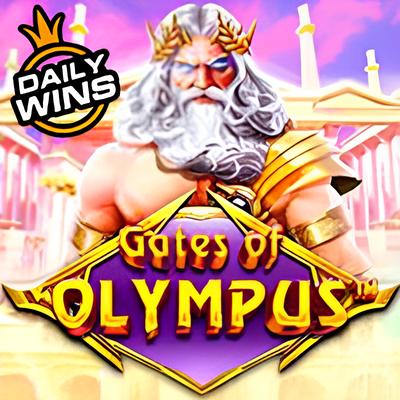
A notable illustration is le zeus casino, a modern slot game inspired by divine themes, blending mythology and entertainment. Such titles use symbols like ambrosia and nectar to evoke divine or mystical atmospheres, enhancing both aesthetic appeal and narrative depth.
“Myth-based games serve not only as entertainment but also as tools for cultural preservation and education, fostering appreciation for ancient stories in a modern context.”
These games often have educational value, introducing players to mythological histories and symbolism, ensuring that cultural heritage remains alive through interactive media.
6. Examples of Modern Beverages and Their Symbolism in Games
In digital games, mythological beverages like ambrosia and nectar are frequently incorporated into narratives, aesthetics, and mechanics. They often symbolize divine power, vitality, or mystical energy, serving as rewards or power-ups.
For example, some games depict characters consuming nectar to regain strength or achieve transformation, echoing ancient stories. Visual motifs such as glowing drinks or divine chalices evoke mystical themes, enriching the gaming experience.
Beyond obvious representations, beverage motifs appear in gameplay mechanics—such as unlockable rewards or special abilities—subtly reinforcing the mythological symbolism and enhancing player immersion.
7. The Cultural Impact of Myth-Inspired Games and Beverages
Modern games perpetuate and reinvent mythological narratives, making timeless stories accessible to new generations. Titles inspired by divine themes influence popular culture, shaping perceptions of ancient myths and their relevance today.
Products like le zeus casino exemplify how myth-inspired themes can permeate consumer perceptions, blending entertainment with cultural storytelling.
“The challenge lies in balancing cultural appreciation with ethical considerations—respecting origins while innovating storytelling.”
This ongoing dialogue influences how developers approach mythological content, emphasizing respectful integration and cultural sensitivity.
8. Deep Dive: The Intersection of Mythology, Technology, and Regulation
Technological innovations like HTML5 enable complex, immersive myth-inspired game experiences across devices. Interactive environments, real-time graphics, and multimedia integration deepen engagement and storytelling depth.
Regulatory frameworks, such as the EU Directive 2019/882, require developers to ensure responsible gaming practices, transparency, and consumer protection. Compliance influences game design, especially in myth-inspired titles that may involve gambling elements or cultural motifs.
Looking ahead, emerging technologies like augmented reality and virtual reality promise to further blur the line between myth and reality, creating new avenues for cultural storytelling and entertainment.
9. Conclusion: The Continuing Legacy of Myth in Modern Entertainment
From ancient myths centered around divine beverages to sophisticated digital games, the transformation exemplifies how timeless themes adapt to technological advances. Mythological symbols continue to inspire creators, educators, and players alike, ensuring that these stories remain relevant.
Preserving mythological themes through innovative entertainment not only honors cultural heritage but also fosters cross-cultural understanding and appreciation. As technologies evolve, so will the ways we engage with these ancient stories, maintaining their legacy in modern culture.
Ultimately, the dialogue between myth, technology, and entertainment is ongoing, promising exciting developments that will keep these stories alive for generations to come.